
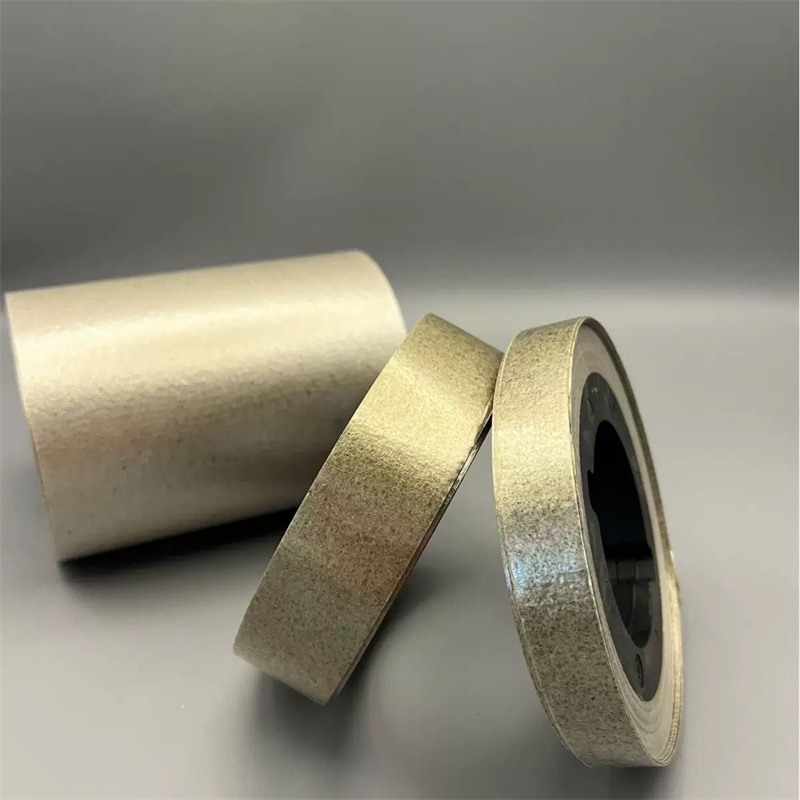
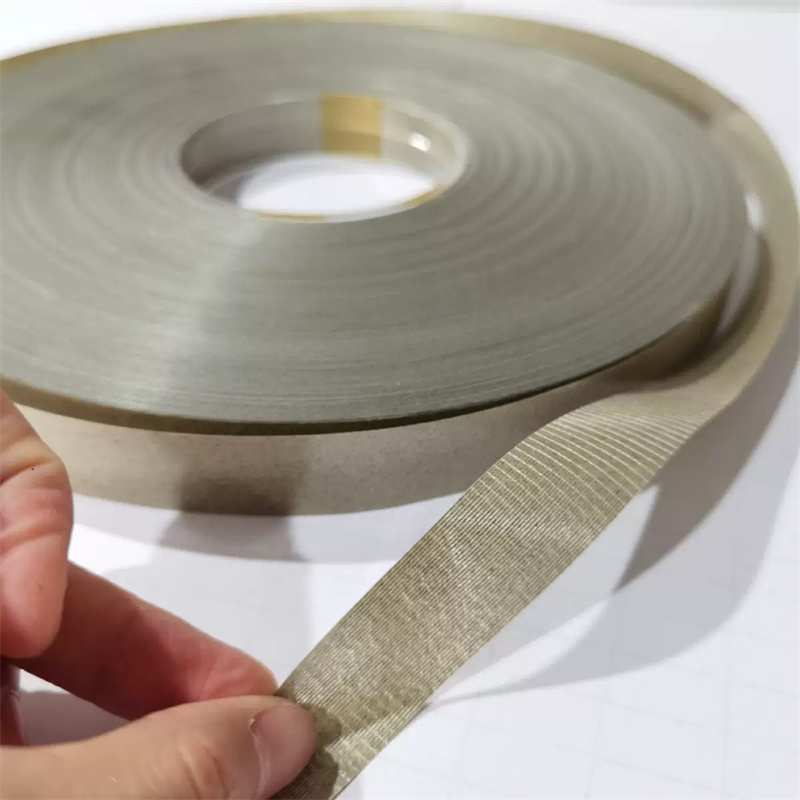
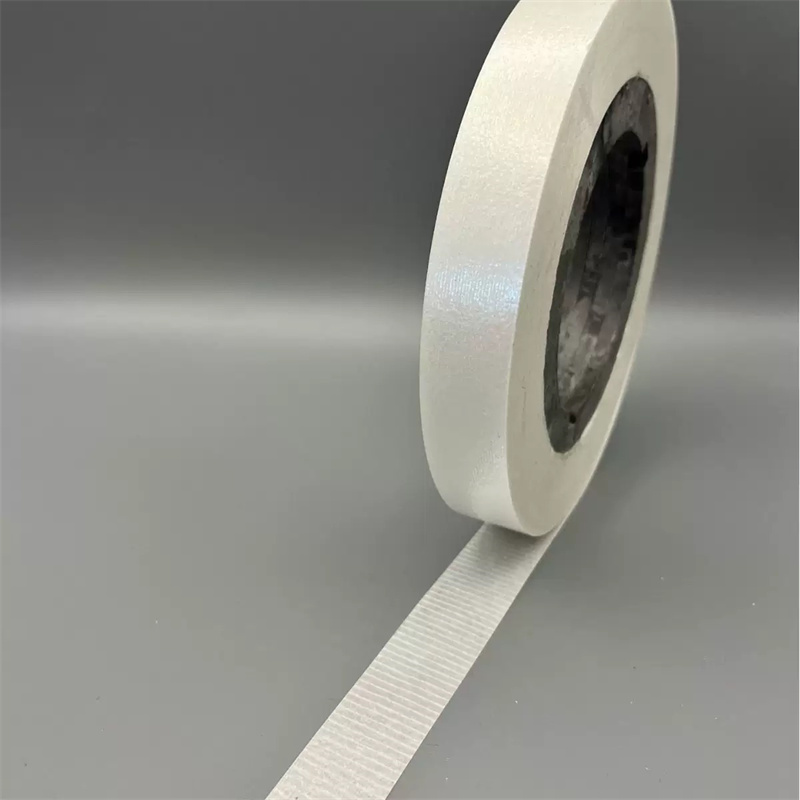
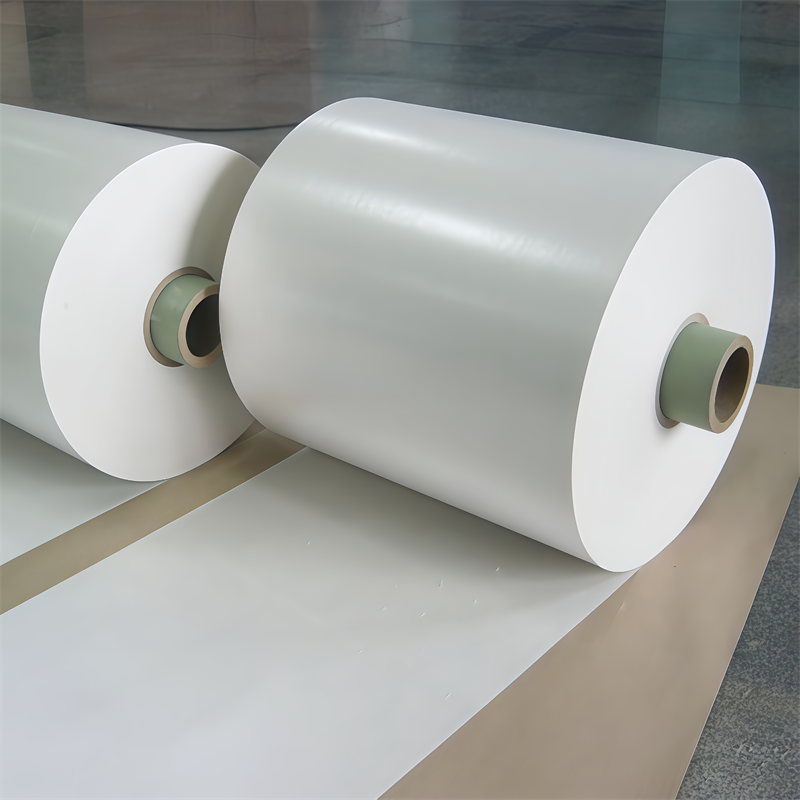
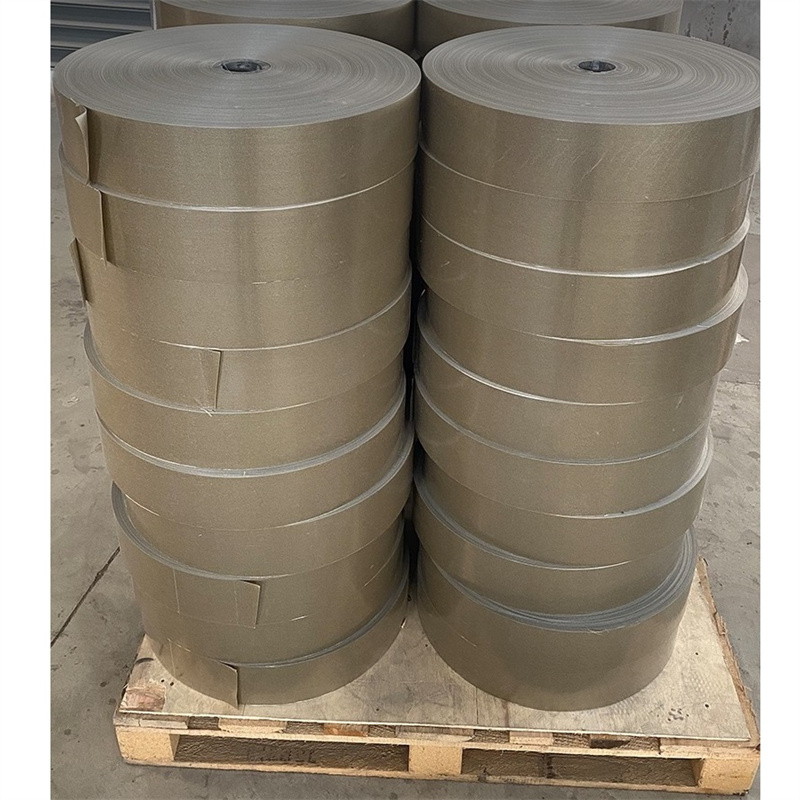
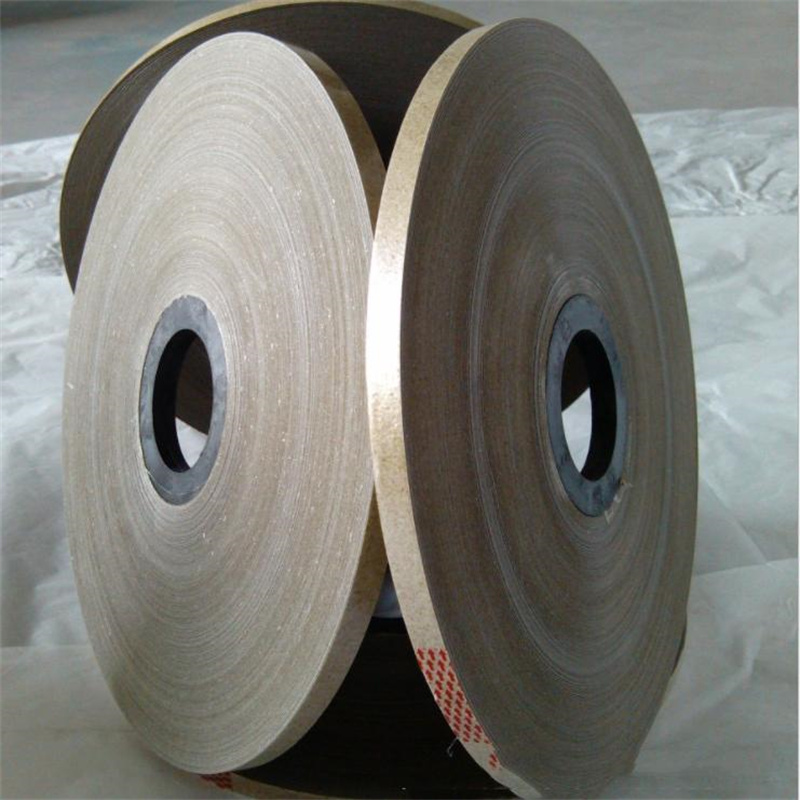
Custom High Temperature Fire Resistant Mica Tape for Electrical Insulation
What Is Mica Tape?

Mica Tape consists of thin mica paper or mica flakes bonded to a backing material such as fiberglass cloth, polyester film or polyimide film. This combination creates a flexible, heat-resistant insulation material for demanding electrical applications.
The mica layer provides natural fire resistance and excellent electrical insulation, while the backing material improves mechanical strength and flexibility. Depending on the construction, Mica Tape can maintain its insulating performance under high-temperature conditions.
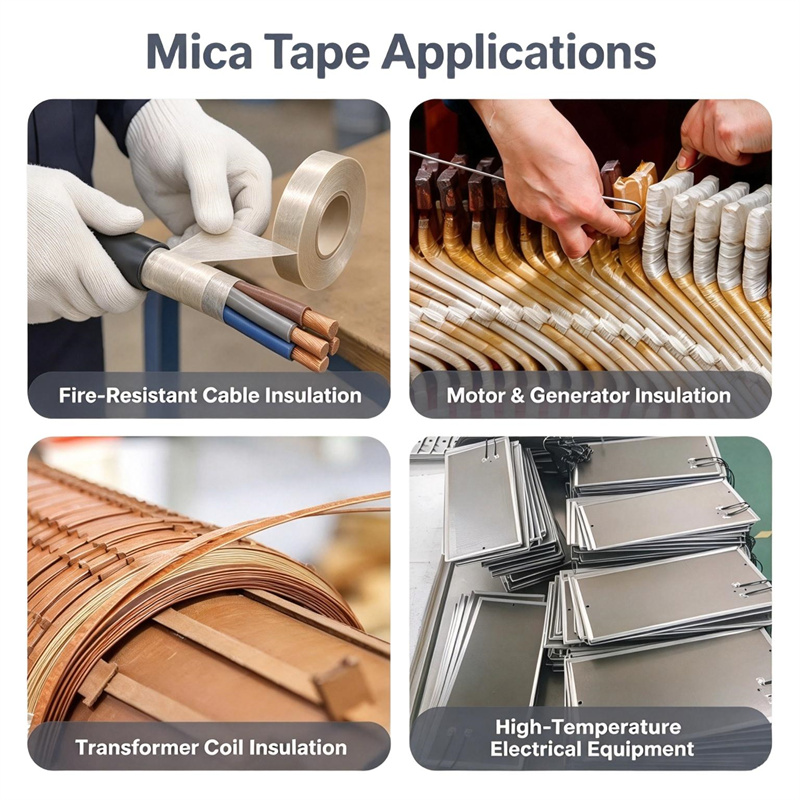
Mica Tape is commonly used to insulate and protect cables, motors, transformers and other electrical equipment exposed to high temperatures or fire conditions. It is widely applied in high-voltage cables, industrial cables and electrical systems operating in demanding environments.
Types of Mica Tape
Mica Tape is available in different mica types to meet different temperature, electrical insulation and fire-resistance requirements. The main types include Phlogopite Mica Tape, Synthetic Mica Tape and Calcined Muscovite Mica Tape.
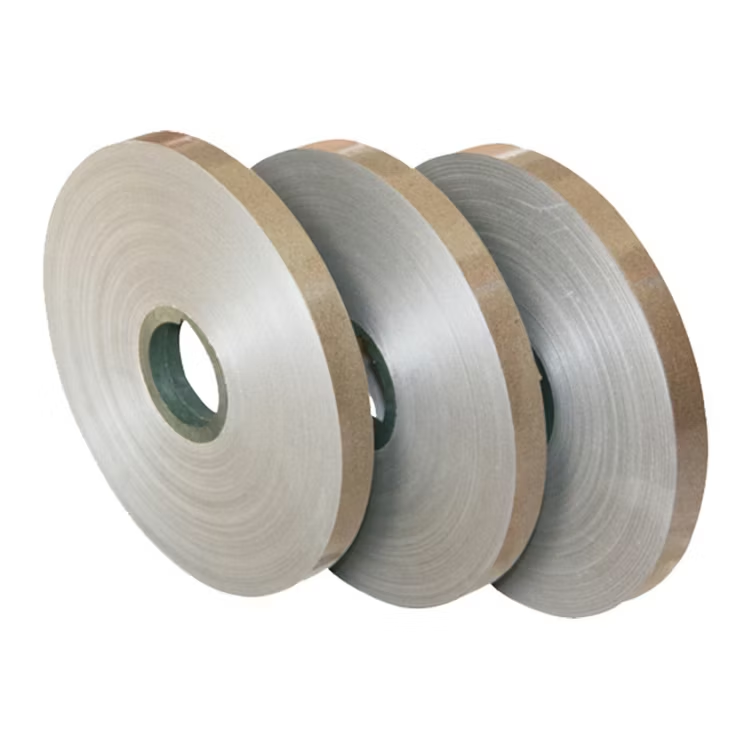
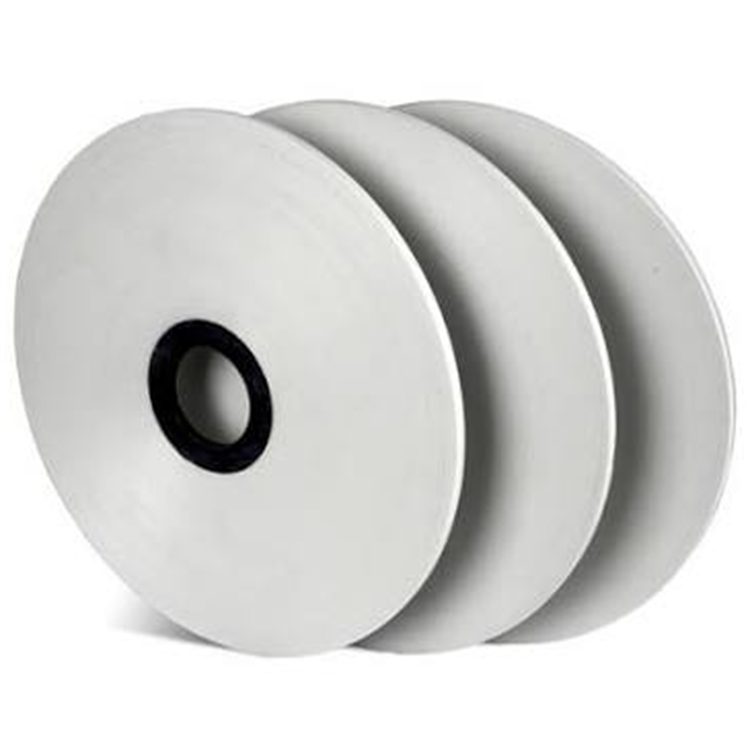
Phlogopite Mica Tape
Heat-resistant mica tape for fire-resistant cables and high-temperature electrical insulation.
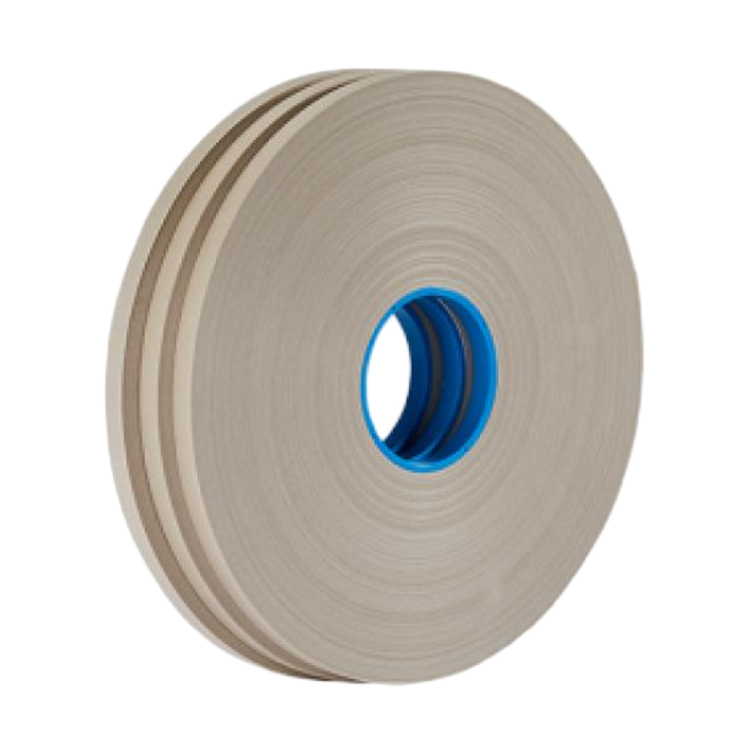
Synthetic Mica Tape
Higher-temperature mica tape for demanding fire-resistant and electrical insulation applications.
Calcined Muscovite Mica Tape
Mica tape for electrical insulation, fire-resistant cables and heat-resistant applications.
Manufacturing Process
1. Raw Material Preparation
High-quality mica flakes are cleaned and processed to remove impurities before further production.
2. Application of Binding Agents
Binding agents and reinforcement materials are prepared and combined to provide the required cohesion and durability.
3. Layering and Lamination
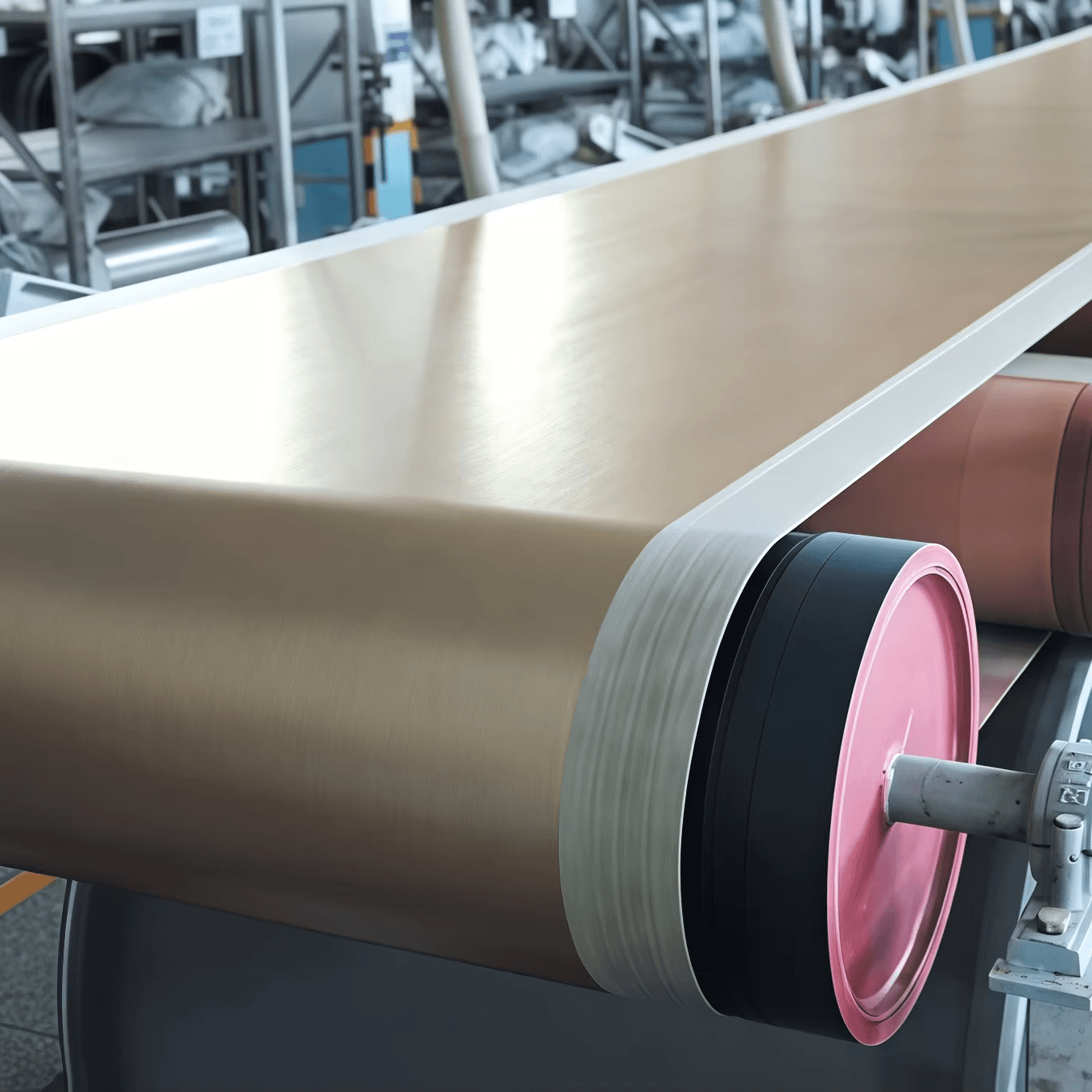
The processed mica is laminated with bonding agents and reinforcement materials to achieve the required thickness and mechanical strength.
4. Drying and Curing
The laminated material is dried and cured under controlled conditions to stabilize its structure and enhance its insulation and bonding properties.
Key Properties of Mica Tape
1. Thermal Resistance
Mica Tape provides excellent resistance to high temperatures, making it suitable for electrical insulation and applications exposed to extreme heat.
2. Electrical Insulation
Mica has excellent dielectric properties that help prevent electrical leakage and maintain insulation performance under high electrical stress.
3. Flame Resistance
Mica acts as a fire-resistant insulation layer, helping protect cables and electrical components from flame and heat.
4. Chemical Stability
Mica provides good resistance to chemicals and environmental degradation, supporting reliable performance in demanding industrial conditions.
5. Mechanical Strength
Reinforcement materials such as glass cloth and polyester improve tensile strength and resistance to mechanical stress.
6. Flexibility
The flexible tape construction allows Mica Tape to conform to different shapes and be used for winding and wrapping applications.
7. Tear Resistance
The reinforced structure helps the tape remain intact during handling, winding and installation.
Specifications of mica tape
| Parameter | Typical Value / Range | Notes |
| Material System | Muscovite, Phlogopite or Synthetic mica paper + glass cloth / PET | Resin-bonded laminates |
| Working Temperature | Up to 500°C continuous | Application-dependent |
| Peak Temperature | Up to 1000°C short-term | Depends on exposure duration |
| Fire Resistance | 90–180 minutes | Refer to IEC 60331 |
| Dielectric Strength | >20 kV/mm | Measured on standard thickness |
| Thickness | 0.10–1.00 mm | Other thicknesses on request |
| Width | 5–1000 mm | Custom slitting available |
| Moisture Absorption | <0.5% | Low uptake |
| Chemical Resistance | Good–Excellent | Oils, greases, many solvents |
| Compliance | RoHS, REACH, asbestos-free | Documentation available |
Values are typical and not guaranteed. Final performance depends on tape construction, wrapping tension, overlap ratio, curing conditions (if applicable), and the operating environment.
Applications
* Transformer & Motor Coil Insulation
Used for electrical insulation in transformers, generators and motors, including winding, interlayer and other insulation applications.
* Fire-Resistant Cable Wrapping
Used in fire-resistant power, control, instrumentation and signaling cables to provide insulation and help maintain circuit integrity during fire conditions.
* High-Temperature Equipment
Suitable for electrical insulation in furnaces, boilers, ovens, heating elements and other high-temperature equipment.
* Power Electronics & Switchgear
Used for electrical insulation in selected components such as bus bars, chokes, capacitors and switchgear equipment.
* Safety-Critical Systems
Suitable for automotive, aerospace and other electrical systems requiring high-temperature, flame-resistant or high-voltage insulation.

Mica Tape vs. Other Insulation Materials
Mica Tape, fiberglass tape and ceramic tape each provide different combinations of thermal, electrical and mechanical performance. The following comparison can be used as a general reference when selecting an insulation material.
| Property | Mica Tape | Fiberglass Tape | Ceramic Tape |
| Fire Resistance | Excellent | Good | Good |
| High-TemperaturePerformance | Up to high-temperatureapplications* | ~500°C* | ~800°C* |
| Dielectric Strength | High | Low-Medium | Medium |
| Flexibility | High | Medium | Low |
| Chemical Resistance | Good-Excellent | Good | Moderate |
| Processability | Good | Good | Poor |
*Actual performance depends on material construction, grade and test conditions.
How to Choose the Right Mica Tape
When selecting Mica Tape for your project, consider the following factors:
• Voltage Class
Higher-voltage applications may require thicker mica layers or multiple wrapping passes to achieve the required dielectric strength.
• Operating Temperature
The continuous operating temperature determines the appropriate mica type, backing material and resin system.
• Mechanical Stress
Applications involving vibration, flexing or high winding tension require suitable reinforcement and flexibility.
• Fire Performance Requirements
Safety-critical circuits may require Mica Tape designed to meet specific fire resistance and circuit integrity standards.
• Production Method
Hand wrapping, machine wrapping and other production processes can influence the required tape width, construction and processing characteristics.

Frequently Asked Questions
Mica Tape is a flexible electrical insulation material made from mica paper or mica flakes combined with reinforcement materials such as glass cloth, polyester or polyimide film.
Mica Tape is commonly used for electrical insulation in motors, generators and transformers, as well as fire-resistant insulation for power, control and instrumentation cables.
Common types include phlogopite, muscovite and synthetic mica tapes, as well as different constructions using glass cloth, PET or polyimide reinforcement.
Phlogopite mica tape is commonly used for applications requiring high-temperature and thermal shock resistance, while muscovite mica tape is often selected for applications requiring high dielectric strength.
Yes. Mica Tape can be customized according to the required mica type, backing material, construction, thickness, width and application requirements.
Yes. We provide OEM and ODM solutions for customized Mica Tape according to specific product and production requirements.

