
Mica Tape for High-Temperature Electrical Insulation
Mica Tape consists of thin mica paper or mica flakes bonded to a backing material such as fiberglass cloth, polyester film or polyimide film. This combination creates a flexible, heat-resistant insulation material for demanding electrical applications.
The mica layer provides natural fire resistance and excellent electrical insulation, while the backing material improves mechanical strength and flexibility. Depending on the construction, Mica Tape can maintain its insulating performance under high-temperature conditions.
Mica Tape is commonly used to insulate and protect cables, motors, transformers and other electrical equipment exposed to high temperatures or fire conditions. It is widely applied in high-voltage cables, industrial cables and electrical systems operating in demanding environments.
1. Thermal Resistance
Mica Tape provides excellent resistance to high temperatures, making it suitable for electrical insulation and applications exposed to extreme heat.
2. Electrical Insulation
Mica has excellent dielectric properties that help prevent electrical leakage and maintain insulation performance under high electrical stress.
3. Flame Resistance
Mica acts as a fire-resistant insulation layer, helping protect cables and electrical components from flame and heat.
4. Chemical Stability
Mica provides good resistance to chemicals and environmental degradation, supporting reliable performance in demanding industrial conditions.
5. Mechanical Strength
Reinforcement materials such as glass cloth and polyester improve tensile strength and resistance to mechanical stress.
6. Flexibility
The flexible tape construction allows Mica Tape to conform to different shapes and be used for winding and wrapping applications.
7. Tear Resistance
The reinforced structure helps the tape remain intact during handling, winding and installation.
* Transformer & Motor Coil Insulation
Used for electrical insulation in transformers, generators and motors, including winding, interlayer and other insulation applications.
* Fire-Resistant Cable Wrapping
Used in fire-resistant power, control, instrumentation and signaling cables to provide insulation and help maintain circuit integrity during fire conditions.
* High-Temperature Equipment
Suitable for electrical insulation in furnaces, boilers, ovens, heating elements and other high-temperature equipment.
* Power Electronics & Switchgear
Used for electrical insulation in selected components such as bus bars, chokes, capacitors and switchgear equipment.
* Safety-Critical Systems
Suitable for automotive, aerospace and other electrical systems requiring high-temperature, flame-resistant or high-voltage insulation.
Mica Tape, fiberglass tape and ceramic tape each provide different combinations of thermal, electrical and mechanical performance. The following comparison can be used as a general reference when selecting an insulation material.
| Property | Mica Tape | Fiberglass Tape | Ceramic Tape |
| Fire Resistance | Excellent | Good | Good |
| High-TemperaturePerformance | Up to high-temperatureapplications* | ~500°C* | ~800°C* |
| Dielectric Strength | High | Low-Medium | Medium |
| Flexibility | High | Medium | Low |
| Chemical Resistance | Good-Excellent | Good | Moderate |
| Processability | Good | Good | Poor |
*Actual performance depends on material construction, grade and test conditions.

Related Products
-
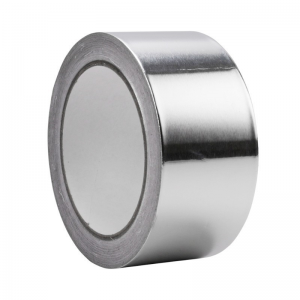
Waterproof Aluminum Foil Tape for HVAC Alternat...
-
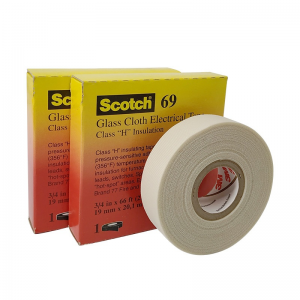
Flame Retardant 3M 69 Glass Cloth Electrical Ta...
-
Red and White Hazard Warning Tape 3M 767 for Fl...
-
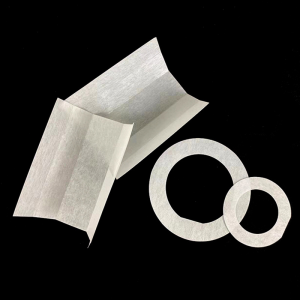
Customized Die Cutting DMD Composite Insulating...
-
Clear 3M 9495LE Double Coated Polyester Tape wi...
-
PET Release Film Single Sided Silicone Coated f...